
How Valeda Photobiomodulation (PBM) Light Therapy Revitalizes Retinal Cells for Dry AMD Patients in Central CT

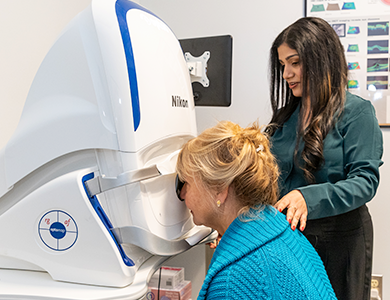
Dry age-related macular degeneration, or dry AMD, is a progressive condition that can affect the central vision needed for reading, driving, and recognizing faces. At Della Porta EyeCare, we are now offering Valeda photobiomodulation, or PBM, light therapy for eligible patients with dry AMD in Bristol and throughout Central CT. This noninvasive treatment uses targeted wavelengths of light to support retinal cell function and offers a new approach to managing certain stages of dry AMD.
How Valeda PBM Works
The retina requires significant amounts of energy to function properly. Valeda PBM uses specific wavelengths of visible and near-infrared light designed to interact with components of the mitochondria, which help cells produce energy.
Rather than "regenerating" damaged retinal tissue, PBM is intended to support cellular function. The light may help improve mitochondrial energy production and influence processes associated with oxidative stress and inflammation. These effects are being studied for their potential role in supporting retinal function in patients with dry age-related macular degeneration. Valeda uses multiple wavelengths of light, including yellow, red, and near-infrared light, delivered during brief treatment sessions.
Who May Be a Candidate for Valeda?
Valeda is an FDA-authorized treatment for certain patients with dry age-related macular degeneration. Because every patient’s eyes and stage of AMD are different, we first perform a thorough eye examination and retinal evaluation to determine whether Valeda may be appropriate for you.
You may be a potential candidate if you have:
• Dry AMD with medium or large drusen
• Certain forms of geographic atrophy that do not involve the center of the macula
• Vision that falls within the treatment’s recommended range
• No signs of wet AMD
• No center-involving geographic atrophy
At Della Porta EyeCare, we carefully evaluate your retinal health, vision, and stage of AMD before recommending treatment. Our goal is to make sure Valeda is a safe and appropriate option for your individual needs.
Why Ongoing Dry AMD Monitoring Still Matters
Even as treatments such as Valeda PBM become part of the dry AMD conversation, regular monitoring remains essential. Dry AMD can progress differently from one patient to another, and changes may not always be noticeable right away.
We manage macular degeneration and use comprehensive eye care and retinal imaging to evaluate ocular health. For our Bristol and Central CT patients, these examinations allow us to watch for retinal changes, discuss nutrition and lifestyle considerations, and identify signs that may require additional treatment or referral.
Why Choose Della Porta EyeCare for Dry AMD Care?
At Della Porta EyeCare, we take a personalized approach to managing dry age-related macular degeneration. We carefully evaluate your retinal health, vision, medical history, and stage of AMD before recommending treatment. With Valeda photobiomodulation now available at our office, eligible patientscan access an FDA-authorized, noninvasive treatment option designed specifically for certain stages of dry AMD.
If you have dry AMD or have noticed changes in your central vision, schedule an eye exam with Della Porta EyeCare to discuss your retinal health and whether Valeda is right for you. Contact our office in Bristol, Connecticut, by calling (860) 807-1500 to book an appointment today.
Quick Links
Helpful Articles
article_category: restorative
article_category: vision therapy
article_category: contact lenses
article_category: health
article_category: conditions
article_category: eye surgery co-management
article_category: exotic
article_category: cosmetic
article_category: products
article_category: psychiatry
article_category: faqs
article_category: cats
article_category: general
article_category: services
article_category: technology
article_category: dogs
article_category: surgical procedures
article_category: aesthetics
article_category: preventative
article_category: ocular disease management
article_category: eyeglasses
article_category: eye health
article_category: large animal
[]
article_category: vision therapy
article_category: contact lenses
article_category: health
article_category: conditions
article_category: eye surgery co-management
article_category: exotic
article_category: cosmetic
article_category: products
article_category: psychiatry
article_category: faqs
article_category: cats
article_category: general
article_category: services
article_category: technology
article_category: dogs
article_category: surgical procedures
article_category: aesthetics
article_category: preventative
article_category: ocular disease management
article_category: eyeglasses
article_category: eye health
article_category: large animal
[]
Flowbite is an open-source library of interactive components built on top of Tailwind CSS including buttons, dropdowns, modals, navbars, and more.
Check out this guide to learn how to get started and start developing websites even faster with components on top of Tailwind CSS.
All Eyecare Services
We offer a wide variety of eye care services to the Bristol community. Contact us with any questions about our services.
Keep In Touch
For non-urgent questions or to learn more about our services, contact us today!

Quick Links
Contact Info
- 156 Farmington Ave.
Bristol, CT 06010 - Phone: (860) 807-1500
- Fax: (860) 314-0263
Hours of Operation
- Monday 9:00am - 6:00pm
- Tuesday 9:00am - 5:00pm
- Wednesday 9:00am - 5:00pm
- Thursday 8:00am - 5:00pm
- Friday 8:00am - 12:00pm
- Saturday Closed
- Sunday Closed
- Monday
- Tuesday
- Wednesday
- Thursday
- Friday
- Saturday
- Sunday
- Monday
- Tuesday
- Wednesday
- Thursday
- Friday
- Saturday
- Sunday
© 2026 Della Porta EyeCare LLC. All rights Reserved - Accessibility Statement - Privacy Policy - Sitemap
Managed and Designed by 