
How Many Sessions of IPL or RF Do You Need for Dry Eye?
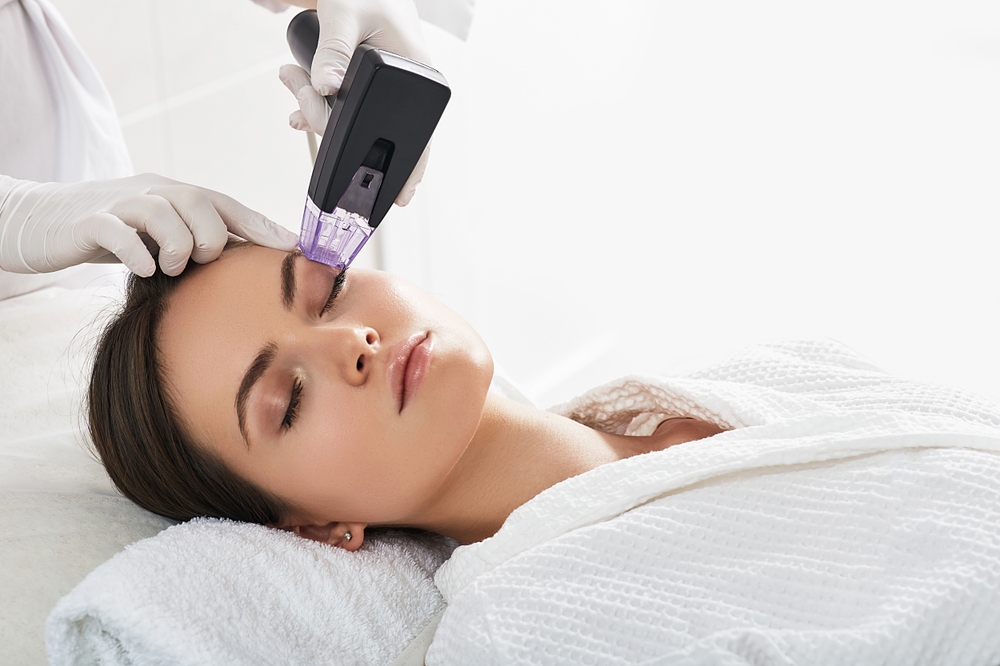
Dry eye disease is a chronic condition that can cause irritation, burning, fluctuating vision, and ongoing discomfort. For patients who don’t find lasting relief with artificial tears alone, advanced treatments like Intense Pulsed Light (IPL) and Radiofrequency (RF) therapy offer an effective, long-term solution. A common question patients ask is how many sessions are needed to see results. The answer depends on the severity of your dry eye, the underlying cause, and how your eyes respond to treatment.
Why IPL and RF Are Used for Dry Eye
IPL and RF are designed to treat one of the most common causes of dry eye: meibomian gland dysfunction (MGD). These glands produce the oils that keep tears from evaporating too quickly. When the glands become blocked or inflamed, dry eye symptoms worsen.
IPL uses controlled light pulses to reduce inflammation and improve gland function, while RF delivers therapeutic heat to soften hardened oils and restore healthy oil flow. Both treatments focus on addressing the root cause of dry eye rather than simply masking symptoms.
How Many IPL Sessions Are Typically Needed?
IPL is most effective when performed as a series of treatments rather than a single session. Most patients benefit from an initial series of four to six sessions, typically spaced three to four weeks apart. Many people begin noticing improvement after the second treatment, with continued relief as the series progresses.
Because dry eye is a chronic condition, maintenance IPL treatments are often recommended. Depending on symptom severity and lifestyle factors, maintenance sessions may be needed every six to twelve months.
How Many RF Sessions Are Typically Needed?
RF therapy is also delivered in a series to achieve the best results. Most patients undergo four to five RF sessions, usually spaced two to four weeks apart. RF works by gradually restoring oil flow from the meibomian glands, so improvement tends to build over time rather than occurring instantly. Maintenance RF treatments may be recommended once or twice a year to keep symptoms under control and maintain gland function.
What If IPL and RF Are Combined?
For patients with moderate to severe dry eye, IPL and RF may be combined to provide more comprehensive treatment. When used together, most patients still complete four to six total sessions, spaced several weeks apart. Combining these therapies allows inflammation to be reduced while simultaneously improving gland function, often leading to longer-lasting relief.
Factors That Influence the Number of Sessions You Need
The exact number of treatments varies from person to person. Factors that can affect your treatment plan include the severity of your dry eye, whether inflammation or gland blockage is the primary issue, lifestyle habits such as screen use or contact lens wear, and how consistently you follow recommended at-home care. Patients who maintain good eyelid hygiene and attend follow-up visits often experience better and longer-lasting results.
When Will You Start to Feel Relief?
Some patients notice improvement after their first session, while others experience more gradual relief over the course of treatment. In most cases, symptoms continue to improve throughout the series, with maximum benefit developing several weeks after the final session as the glands regain healthier function.
Are IPL and RF Permanent Solutions?
IPL and RF are not cures, but they are highly effective long-term management options for dry eye. With proper maintenance and ongoing care, these treatments can significantly reduce symptoms, improve comfort, and lessen dependence on daily eye drops.
Experience Modern Solutions for Dry Eye Relief
Most patients need four to six IPL or RF sessions to effectively manage dry eye, followed by customized maintenance treatments to sustain results. Because every case of dry eye is different, a personalized evaluation is essential to determine the right approach for lasting relief.
If dry eye symptoms are affecting your comfort or vision, Della Porta EyeCare can help. Schedule a dry eye evaluation to learn whether IPL, RF, or combination therapy is right for you and take the next step toward healthier eyes. Visit our office in Bristol, Connecticut, or call (860) 807-1500 to book an appointment today.
Quick Links
Helpful Articles
article_category: cosmetic
article_category: eye surgery co-management
article_category: products
article_category: vision therapy
article_category: dogs
article_category: technology
article_category: general
article_category: eye health
article_category: aesthetics
article_category: services
article_category: faqs
article_category: exotic
article_category: large animal
article_category: contact lenses
article_category: surgical procedures
article_category: health
article_category: psychiatry
article_category: conditions
article_category: restorative
article_category: preventative
article_category: cats
article_category: eyeglasses
article_category: ocular disease management
[]
article_category: eye surgery co-management
article_category: products
article_category: vision therapy
article_category: dogs
article_category: technology
article_category: general
article_category: eye health
article_category: aesthetics
article_category: services
article_category: faqs
article_category: exotic
article_category: large animal
article_category: contact lenses
article_category: surgical procedures
article_category: health
article_category: psychiatry
article_category: conditions
article_category: restorative
article_category: preventative
article_category: cats
article_category: eyeglasses
article_category: ocular disease management
[]
Flowbite is an open-source library of interactive components built on top of Tailwind CSS including buttons, dropdowns, modals, navbars, and more.
Check out this guide to learn how to get started and start developing websites even faster with components on top of Tailwind CSS.
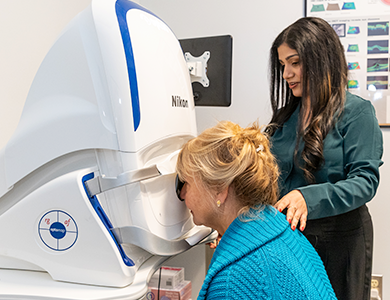
All Eyecare Services
We offer a wide variety of eye care services to the Bristol community. Contact us with any questions about our services.
Keep In Touch
For non-urgent questions or to learn more about our services, contact us today!

Quick Links
Contact Info
- 156 Farmington Ave.
Bristol, CT 06010 - Phone: (860) 807-1500
- Fax: (860) 314-0263
Hours of Operation
- Monday 9:00am - 6:00pm
- Tuesday 9:00am - 5:00pm
- Wednesday 9:00am - 5:00pm
- Thursday 8:00am - 5:00pm
- Friday 8:00am - 12:00pm
- Saturday Closed
- Sunday Closed
- Monday
- Tuesday
- Wednesday
- Thursday
- Friday
- Saturday
- Sunday
- Monday
- Tuesday
- Wednesday
- Thursday
- Friday
- Saturday
- Sunday
© 2026 Della Porta EyeCare LLC. All rights Reserved - Accessibility Statement - Privacy Policy - Sitemap
Managed and Designed by 