
Can Eye Strain Cause Dizziness and Balance Issues?

Many people experience eye strain after spending long hours on digital devices, reading, or driving. While eye strain often leads to symptoms like headaches, blurred vision, and fatigue, some individuals also report dizziness or balance problems. Let’s explore how the eyes and body are connected and when it might be time to visit your eye doctor in Bristol.
The Connection Between Your Eyes and Balance
Your eyes play a crucial role in helping your body maintain stability and spatial awareness. They work alongside your inner ear and brain to interpret movement and position. When your eyes are tired, misaligned, or struggling to focus, your brain receives conflicting signals - leading to sensations of dizziness, lightheadedness, or even vertigo.
This is why individuals with uncorrected vision issues, eye muscle imbalance, or binocular vision disorders may experience balance-related symptoms when their eyes are under strain.
Common Causes of Eye Strain
Eye strain, also known as asthenopia, can develop from several factors:
• Extended screen use: Staring at phones, computers, or tablets without breaks.
• Improper lighting: Reading or working in poorly lit environments.
• Uncorrected vision problems: Outdated or incorrect prescriptions for glasses or contacts.
• Focus fatigue: Switching between near and distant objects too frequently.
Over time, these factors can cause your eyes to work harder than they should, potentially leading to dizziness or difficulty maintaining focus.
When to See Your Eye Doctor
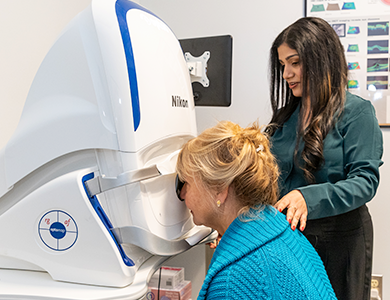
If you notice persistent dizziness, headaches, or visual discomfort, it’s important to schedule a comprehensive eye exam in Bristol. During the exam, Dr. Della Porta will assess your vision, eye coordination, and focusing ability to determine whether your symptoms are vision-related or stem from another cause. We can also check for conditions such as convergence insufficiency, which occurs when the eyes don’t work together properly - often resulting in balance issues or double vision.
How Eye Strain Can Be Managed
Depending on the cause, treatment for eye strain may include:
• Updating your glasses or contact lens prescription
• Using specialty lenses to correct alignment issues
• Practicing the 20-20-20 rule (every 20 minutes, look at something 20 feet away for 20 seconds)
• Adjusting lighting and screen ergonomics
These small adjustments can make a big difference in reducing strain and restoring balance.
Get Expert Care from Our Trusted Eye Doctor in Bristol
While occasional dizziness from eye strain may be temporary, frequent or worsening symptoms shouldn’t be ignored. Because your eyes are deeply connected to your body’s balance system, even mild vision problems can disrupt your equilibrium.
If you’ve been feeling dizzy or off-balance, schedule a comprehensive eye exam in with Della Porta EyeCare for personalized treatment. Visit our office in Bristol, Connecticut, or call (860) 807-1500 to book an appointment today.
Quick Links
Helpful Articles
article_category: restorative
article_category: vision therapy
article_category: contact lenses
article_category: health
article_category: conditions
article_category: eye surgery co-management
article_category: exotic
article_category: cosmetic
article_category: products
article_category: psychiatry
article_category: faqs
article_category: cats
article_category: general
article_category: services
article_category: technology
article_category: dogs
article_category: surgical procedures
article_category: aesthetics
article_category: preventative
article_category: ocular disease management
article_category: eyeglasses
article_category: eye health
article_category: large animal
[]
article_category: vision therapy
article_category: contact lenses
article_category: health
article_category: conditions
article_category: eye surgery co-management
article_category: exotic
article_category: cosmetic
article_category: products
article_category: psychiatry
article_category: faqs
article_category: cats
article_category: general
article_category: services
article_category: technology
article_category: dogs
article_category: surgical procedures
article_category: aesthetics
article_category: preventative
article_category: ocular disease management
article_category: eyeglasses
article_category: eye health
article_category: large animal
[]
Flowbite is an open-source library of interactive components built on top of Tailwind CSS including buttons, dropdowns, modals, navbars, and more.
Check out this guide to learn how to get started and start developing websites even faster with components on top of Tailwind CSS.
All Eyecare Services
We offer a wide variety of eye care services to the Bristol community. Contact us with any questions about our services.
Keep In Touch
For non-urgent questions or to learn more about our services, contact us today!

Quick Links
Contact Info
- 156 Farmington Ave.
Bristol, CT 06010 - Phone: (860) 807-1500
- Fax: (860) 314-0263
Hours of Operation
- Monday 9:00am - 6:00pm
- Tuesday 9:00am - 5:00pm
- Wednesday 9:00am - 5:00pm
- Thursday 8:00am - 5:00pm
- Friday 8:00am - 12:00pm
- Saturday Closed
- Sunday Closed
- Monday
- Tuesday
- Wednesday
- Thursday
- Friday
- Saturday
- Sunday
- Monday
- Tuesday
- Wednesday
- Thursday
- Friday
- Saturday
- Sunday
© 2026 Della Porta EyeCare LLC. All rights Reserved - Accessibility Statement - Privacy Policy - Sitemap
Managed and Designed by 